
Why Your Business Needs a Website: 8 Powerful Reasons to Get Online
In today’s digital world, having a strong online presence is no longer optional—it’s essential. That’s exactly why your business needs a website. Whether you’re a small shop, a growing startup, or a solo freelancer, a website works as your digital storefront, helping customers find and trust you. If you’re still unsure, here are some clear reasons why investing in a website can transform your business
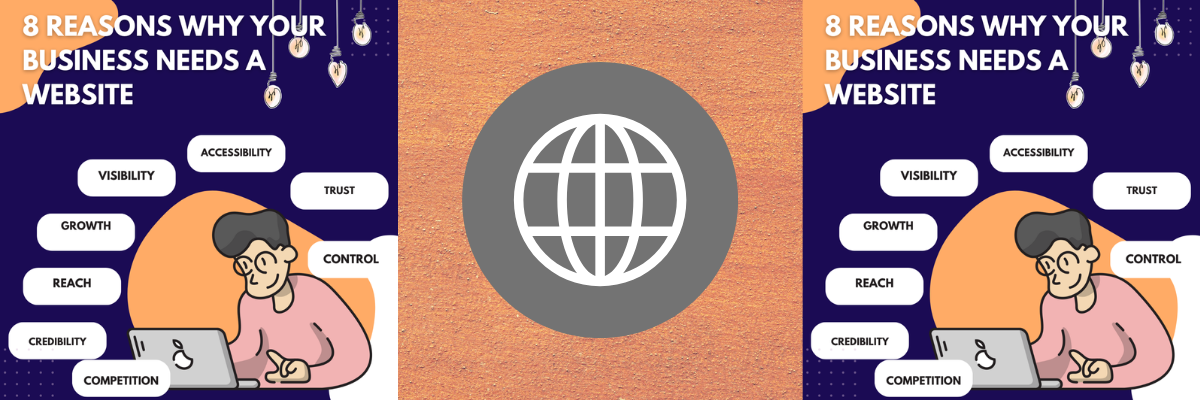
When you think about website, below are the reasons why your business needs a website
Business/Corporate Website Sample
Learn 8 reasons why your business needs a website
1. Why Your Customers Expert Your Business To Have A Website
Let’s be honest—people search online for almost everything. If someone hears about your business, the first thing they’ll likely do is Google you. If they don’t find a website, chances are they’ll move on to a competitor who has one.
A well-designed site gives potential customers the information they’re looking for—your services, location, hours, and how to contact you—all in one place.
2. Why A Website Builds Credibility and Trust For Your Business
A professional-looking website acts as proof that your business is legitimate. It shows that you’re serious, reliable, and established. On the flip side, not having a website can make people question your credibility.
Having customer testimonials, certifications, or a portfolio on your site can further boost trust.
3. Why A Website Gives Control Over Your Business Brand
Unlike social media platforms, your website is completely under your control. You decide how your brand is presented, what content is displayed, and how it’s structured.
With your own website, you’re not subject to algorithm changes or policy updates that might limit your reach.
4. Your Website Works for You 24/7
Your website doesn’t take holidays or sleep. It’s always live, always ready to answer questions, take bookings, or make sales. Think of it as a 24/7 salesperson that never asks for a break.
This kind of round-the-clock availability can significantly increase your chances of converting leads into paying customers.
5. Helps You Reach a Broader Audience

Unlike a physical store, a website isn’t limited by geography. With SEO and digital marketing, you can reach people far beyond your local area—even worldwide.
Whether you’re selling products or services, a website opens the door to a much larger customer base.
6. How it Compete in a Digital World
Even if you operate in a niche market, chances are your competitors already have a website. If your business doesn’t, you’re handing them a serious advantage. That’s why your business needs a website—it helps level the playing field and gives you a platform to stand out.
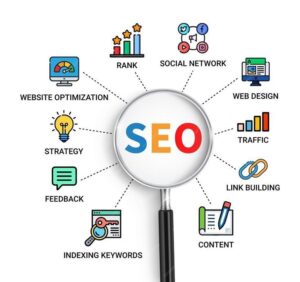
With quality content and solid search engine optimization, your website can outrank competitors in search results and attract more customers to your business..
7. Why Your Business Needs a Website to Showcase Its Work
Whether you’re a designer, a consultant, or run a bakery, a website is the perfect place to display what you do. Photo galleries, case studies, videos, or blogs all help paint a picture of what your business is about.
It’s a chance to let your work speak for itself.
8. Make Your Business More Accessible with a Website
A Business website makes it easier for people to find and connect with you. You can integrate tools like live chat, contact forms, maps, or booking systems—all designed to improve customer experience.
This convenience can make all the difference when someone is deciding who to work with.
Final Thoughts
In a world that’s increasingly online, having a website isn’t just smart—it’s essential. It boosts your visibility, builds trust, and opens up opportunities that just aren’t possible offline.
Even if you’re just getting started, a basic, well-structured website can go a long way in setting your business up for success.
So, what are you waiting for? Your customers are already online—your business should be too.
If you’re still debating whether to invest in a website, check out this guide from HubSpot that dives deeper into how websites help build trust and drive traffic.